Diagnosis & Treatment
Before treatment for head & neck cancer begins, you will go through a few tests and examinations to check where the cancer is and how far it has spread. Please note not all treatment options are suitable for all types of cancers
This will include:
Biopsy
A biopsy diagnoses head & neck cancer by taking a small piece of tissue from the affected area.
This is done in hospital under local or general anaesthetic. The tissue sample is sent to a lab for testing and the results are usually available in a week.
Physical Examination
Your GP may send you to a specialist for a physical examination. During the exam, the doctor will look at your mouth, tonsils and soft palate (oropharynx), neck, ears and eyes.
A spatula, gloved finger and viewing equipment may be used to help the doctor see more clearly.
Scans
A CT (computerised tomography) or MRI (magnetic resonance imaging) scan will be used to access the extend of the head & neck cancer.
Both tests are painless and are quick to complete. These scans are really important to pinpoint where the cancer is and how far it has progressed.
Staging & Prognosis
Your doctor will guide you through the results. This includes giving the cancer a stage. This means how big it is and how far it has spread. They will then talk about the best treatment options available to you.
Finally, the doctor will give you a prognosis. This is the expected outcome of the disease and your life after treatment.

Counselling
Treatment normally begins with counselling. You will be told exactly how your treatment will take place, what after-effects the treatment may have and how to deal with these.
Your family members or carers may also be included in these discussions. If you are a smoker, you will be advised to stop and given help and support with this.
Dental check
A full dental inspection will follow, and dental treatment arranged if necessary. This is because it can be difficult to carry out routine dental treatment during cancer therapy and for some time afterwards.
You will also be given detailed instructions on how to properly look after your mouth after your cancer treatment.
Surgery
Surgery removes cancerous tissue and preserves the functions of the head and neck, such as breathing, swallowing and speech, as much as possible.
If surgery is minor, recovery is usually fast and there are very few long-term side effects. For more advanced cancer, surgery will be longer, more extensive, and can lead to long-lasting side effects.
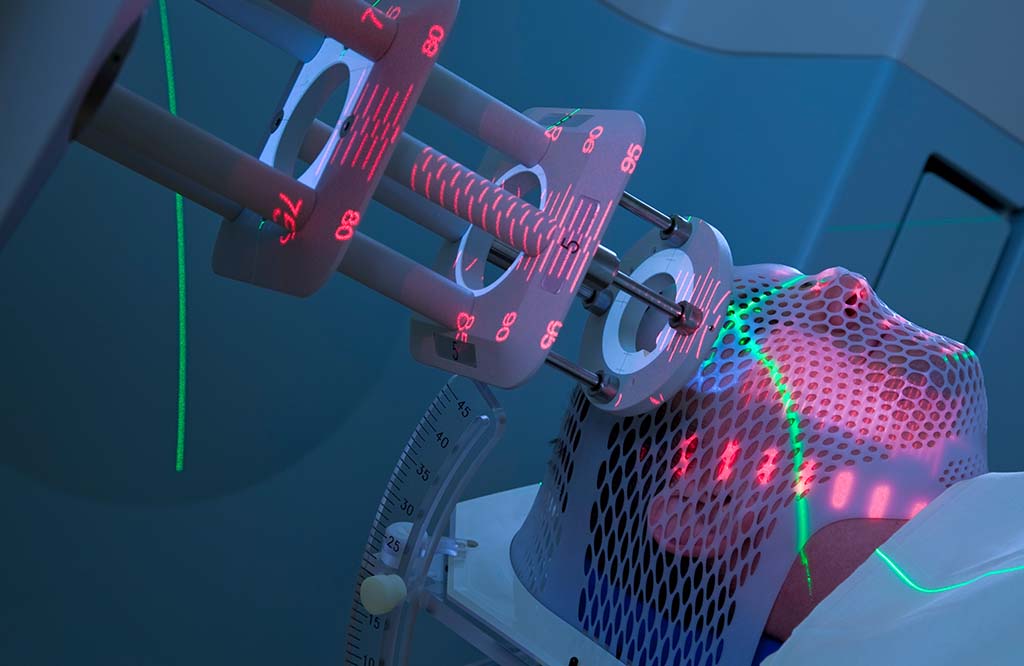
Radiotherapy
Radiotherapy uses radiation to kill or harm cancer cells so they can’t grow and multiply. It can be used alone or with other treatment (e.g. alongside surgery), and can be given inside or outside the body. Radiotherapy has been helping patients survive cancer over 100 years.
Chemotherapy
Chemotherapy is the use of drugs to kill or slow the growth of cancer cells. This treatment attempts to destroy cancer cells while doing the least possible damage to healthy cells. Chemotherapy will most likely be given by injection at treatment sessions over several weeks.
Immunotherapy
Immunotherapy is a type of cancer treatment. It uses substances made by the body or in a laboratory to boost the immune system and help the body find and destroy cancer cells.
Immunotherapy can treat many different types of cancer. It can be used alone or in combination with chemotherapy and/or other cancer treatments.